May 8, 2026

.png)
The reality of living with Borderline Personality Disorder
In a new blog for European Mental Health Week, Shine Ambassador Rebecca Gilmartin reflects on living with Borderline Personality Disorder (BPD) and the stigma that can surround the diagnosis.
I was diagnosed with Borderline Personality Disorder (BPD), also more recently referred to as Emotionally Unstable Personality Disorder (EUPD), in 2018 while I was seeing a psychologist for postnatal depression. The diagnosis came completely out of the blue, and it was honestly quite scary. I had never heard of it before, and my mind immediately filled with questions: Is this bad? Will I ever get better?
For those who may not know, BPD is a mental health condition characterized by nine traits: fear of abandonment, unstable relationships, unstable self-image, impulsive behaviour, self-harm or suicidal behaviour, extreme emotional instability, chronic feelings of emptiness, intense anger, and paranoia or dissociation. To be diagnosed, you need to experience at least five of these traits. That means there are 256 possible combinations, so no two people with BPD experience it in exactly the same way.
The traits I was experiencing included fear of abandonment, an unstable self-image, self-harm and suicidal thoughts, emotional instability, chronic emptiness, and dissociation.
When I started learning more about BPD, two things stood out to me. First, it helped me understand myself on a much deeper level. Second, I realised just how much stigma surrounds this diagnosis, in the media, among professionals, and in everyday conversations. People often associate BPD with impulsivity and anger, yet those were two traits I didn’t really relate to. It was hurtful to feel misunderstood or stereotyped in that way.
At the same time, the diagnosis gave me clarity. Looking back, I can see that I cried a lot throughout my life, not just when I was sad, but when I was happy, nervous, or excited. Any strong emotion felt overwhelming and confusing, and I didn’t understand what I was feeling or how to process it. Crying became my way of coping.
Learning about BPD helped me realise that I wasn’t “too sensitive” or “too emotional.” I just hadn’t learned how to understand or regulate my emotions. That was a huge turning point for me.
Another big part of my experience was a deep fear of abandonment. Ironically, this often led me to push people away, even though all I wanted was to feel loved. I believed I was unlovable, and that it was safer not to let people get too close. In my mind, if I kept my distance, it wouldn’t hurt as much when they eventually left. Of course, that wasn’t true, but at the time, it made sense to me.
I was still crying a lot, over both big and small things, even at funerals of people I might barely know, which I often felt embarrassed about. But understanding that this could be part of BPD helped me feel less alone. Still, understanding alone didn’t make things better.
One of the most positive things I discovered is that there are effective treatments for BPD, including Dialectical Behaviour Therapy (DBT). Through DBT, I learned how to recognise and regulate my emotions. I learned distress tolerance skills to help ground myself when I felt overwhelmed or panicked. I also developed interpersonal skills, but the biggest change for me came from mindfulness.
Mindfulness taught me how to be present, something I’m not sure I had ever truly experienced before. I used to constantly worry about the future or replay things I had done wrong in the past. Mindfulness helped me tune into my body, recognise my emotions without becoming overwhelmed, and simply allow them to exist.
DBT was a year-long commitment, with weekly one-to-one therapy sessions as well as group sessions where we learned and practised these skills. It wasn’t easy, but it was one of the most important things I have ever done. It helped me accept myself and grow in ways I didn’t think were possible. It brought a sense of freedom into my life that I had never experienced before.
Because BPD can look so different from person to person, everyone’s journey is unique. For me, I knew I wanted change. I didn’t want to live in constant fear, feeling constantly empty, or rely on harmful coping mechanisms to escape reality.
And if there’s one thing I want anyone reading this to take away, it’s this: Do not believe the stereotypical view of BPD. A diagnosis is not your identity, it is simply a tool to help you understand yourself better. Every person with BPD or EUPD is different, with their own experiences, strengths, and challenges. You are not defined by a label, and you are not limited by it either. At the end of the day, we are all human; complex, emotional, and constantly growing. Healing is possible, understanding is possible, and you deserve both.
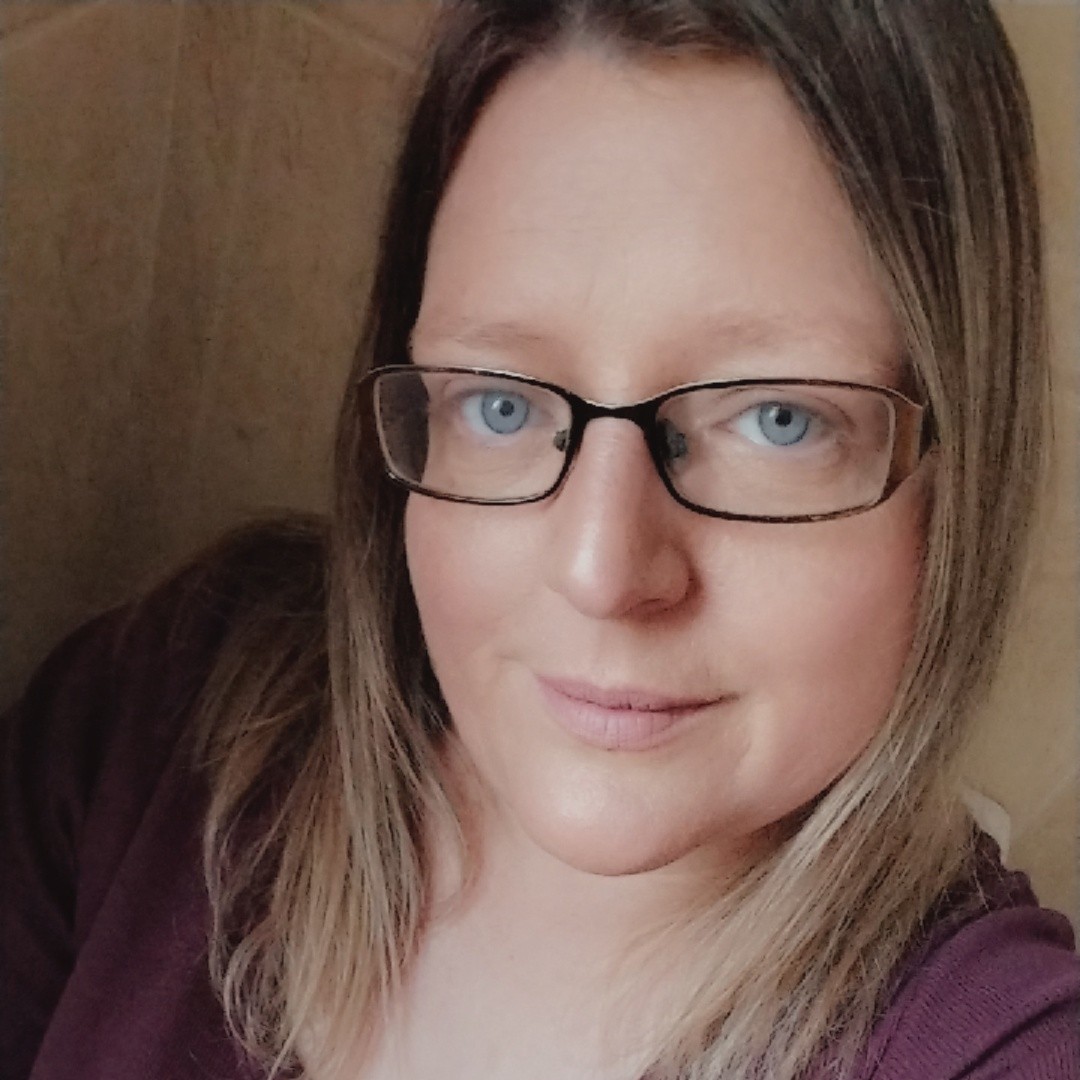
Rebecca Gilmartin
Shine Ambassador
.png)