April 21, 2026

.png)
The Person I Was, and the Person I’m Becoming
In a new blog, Shine Ambassador Alan O'Gorman shares his personal experience of navigating mental health challenges and the isolation that can come with life changing in unexpected ways. His story is a powerful reminder that speaking openly can help others feel less alone.
Note: The following article contains themes related to mental illness and suicide that readers may find distressing.
For a long time, I thought resilience was something other people had. The kind of people who climb mountains after heartbreak or rebuild their lives after disaster with a steady smile and a neat lesson at the end. I didn’t feel like one of them. I felt like someone who had been split in two, before and after. I kept trying to stitch the old version back together, even when the thread wouldn’t hold.
My “after” began with a misdiagnosis of cancer.
There are moments that divide your life without asking permission. One phone call. One scan. One sentence spoken gently across the hospital bedside. Even now, I can remember the strange quiet that fell over everything after I was told I would need to have my stomach removed, as if the world itself had taken a breath and forgot to exhale. What followed was surgery that removed my entire stomach. It’s hard to describe what that means until you live it. People hear it and imagine only the physical reality, the scar and the recovery. But it’s more than that. It’s a new relationship with food, energy, time, and even your own body’s signals. It’s learning that hunger isn’t always hunger. That tiredness isn’t always tiredness. That you can do “everything right” and still feel like you’re operating in a world built for someone else.
I changed overnight, but I didn’t understand that at first. I thought the goal was to return to who I was.
I tried to push my way back to normal like it was a door I could reopen with enough effort. I chased the old routines. I measured myself against the old energy. I expected the same output, the same strength, the same ease. And when I couldn’t reach it, I didn’t call it grief. I called it failure. That’s the part people don’t always see; the loss that arrives even when you survive.
Trauma doesn’t always look like a single dramatic memory. Sometimes it looks like years of vigilance. It looks like scanning your body for danger. It looks like panic that doesn’t match the room you’re in. It looks like sleep that never quite restores you. I developed PTSD, and with it came a constant feeling that something terrible was about to happen, as if my nervous system had learned a new language and refused to forget it.
I didn’t have the words for any of this back then. I only had sensations of dread, numbness and a restless need to escape my own skin. And, eventually, I found a way to escape.
For years, I struggled with substance use disorder. I’m not proud of that chapter, but I’m not ashamed of it either. Because I understand it now for what it was; a human attempt to cope. When you’re living inside a body that feels unfamiliar, when your mind keeps replaying fear, anything that offers relief can start to look like a lifeline. The problem is, what starts as relief slowly becomes another kind of cage.
There were times I felt like I was disappearing. Like I was watching my life from behind glass, present, but not participating. I wanted to be the person I used to be so badly that I didn’t notice something important; that person was gone, and no amount of punishment or bargaining would bring him back.
What I didn’t realise was that a new me was emerging.
Not all at once. Not with fireworks. More like a sunrise you only notice when you look back at the long dark and realise, you’re no longer in it.
Recovery, for me, wasn’t a straight line. It was a series of small choices. It was learning how to sit with discomfort instead of outrunning it. It was accepting help. It was honesty, first with myself, and then with others. It was learning that healing doesn’t mean forgetting what happened; it means building a life that can hold what happened without collapsing under it.
And resilience? I’ve learned it isn’t a personality trait you’re born with. It’s something you practice. Sometimes it looks brave, and sometimes it looks messy. Sometimes it looks like making a phone call you’ve avoided. Sometimes it looks like getting through an ordinary day without using what once numbed you. Sometimes it’s simply staying.
I’m sharing this because I know how isolating mental health struggles can feel, especially when your body has changed, when your life has changed, and when you’re carrying a story that doesn’t fit into casual conversation.
But I also know this; whatever you’re facing, there is a part of you that is still here. Even if it’s tired. Even if it’s angry. Even if it’s been quiet for a long time. There is something in you that wants to live.
Becoming an ambassador for Shine matters to me because I believe in what happens when we speak the truth out loud, not as a performance, but as a bridge. A bridge between the person you were and the person you’re becoming. A bridge between surviving and actually living.
I used to think the aim was to go back.
Now I know the aim is to go forward, not as a lesser version of myself, but as a real one. A changed one. A growing one.
And maybe that’s what resilience is in the end; not returning to the old shape but learning how to thrive in the new.
If you have been affected by this article and are in crisis, please contact Samaritans on 116123 anytime 24/7. Alternatively, if you are not in crisis but would still like support or information on mental health, call Shine on 01 860 1610 Monday to Friday, 9am-5pm.
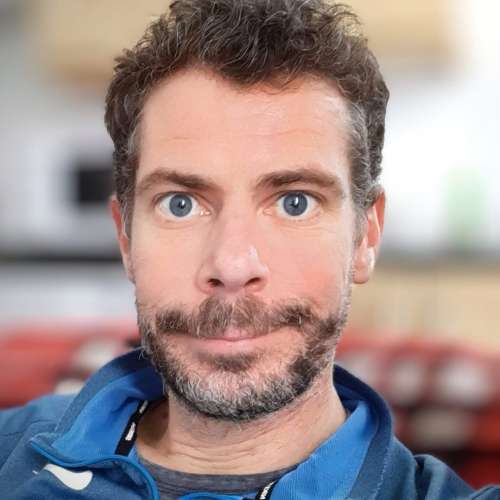
Alan O'Gorman
Shine Ambassador
.png)