April 21, 2026

.png)
Knowledge is Power
Shine Ambassador Zoe Crotty shares her journey with depression, learning to understand her mental health and live with it rather than be ruled by it.
Note: The following article contains themes related to mental illness and suicide that readers may find distressing.
I always hated the doctor’s office, there was something about it; the smell of illness, the creaky stairs, the quietness waiting for your name to be called. Usually, I let my mother do the talking, I seemed to lose my voice in times of angst. I give the odd murmur or nod of the head, but if I had to speak, it usually ended in tears. The whole ordeal, no matter how mundane the reason for my visit, usually brought out an emotional response in me.
But on this occasion, I was at the doctors for something unfamiliar - I was feeling sad. As a 14-year-old in a small Irish town, I wasn’t familiar with mental health - it would become apparent, not many people were. We didn't spend much more than 10 minutes in the office before the doctor scribbled a prescription down, handed it to my mother and off we went.
I remember the home visits from the public health nurse or children’s psychiatrist. It typically involved answering their scripted questions, which was always difficult - partly because, as previously mentioned, I found it difficult to converse in most medical settings and partly because, I myself didn't understand what was wrong with me.
I was never embarrassed or ashamed of being diagnosed with depression, albeit I didn’t share it with most people, but it wasn’t something I felt the need to hide. In hindsight, I guess I didn’t know what I was dealing with. Mental health was never a topic in my household growing up, school never taught us about it, the only real knowledge I had about it was the stereotypical depiction of mental illness on TV. Depression looked obvious, dramatic, and constant sadness. I don’t recall the term ‘mental health’ being used much, if ever. The outlook on the topic seemed very one dimensional.
Over the next few years, I would try art therapy, talk therapy, medication, homeopathy, and anything else that I or my mam had heard of. I always agreed and tried out each new treatment in hopes it would fix whatever it was that was wrong with me. Eventually, I would settle into a routine of feeling like a regular teen for a couple of months, to a great big wave of emotions, confined to my bed for days, family tiptoeing around, start medication, go to therapy and repeat. Teenagers can be wild, unpredictable, spontaneous, and of course have the world figured out at the tender age of 16. I would always think “why me? Why does something have to be wrong with me, it’s not fair”. With that attitude, I would often skip medication when I was feeling stable, other times I would simply forget to take it - it never really felt like it helped me at the time.
Describing the feeling of depression is difficult, and I’m sure it presents itself in different ways for many. For me, it was not only mental but physical too. I would punish myself, almost as if there were two of me, the ‘normal’ me, and the ‘depressed’ me. I would confine myself to my bedroom for days on end, I wouldn’t eat, I wouldn’t shower, I wouldn’t talk to anyone. I would try my best to sleep through it. My mother would check in from time to time or leave a plate of food. I would be so angry that she left it there, part of me wanted to eat, the other part felt chained to the bed. Other times I would get irritated if my mam didn’t come check on me, even though the last exchange we had consisted of me shouting or crying to get out, or the opposite, where I wouldn’t speak or answer her at all - instead hiding under the duvet until she left. I wanted people to read my mind, not out of expectation but because I didn’t know how to express myself, I didn’t know what I needed or what would make things better. I simply did not understand what I was going through. The frustration of the pain made me erratic, irritated and I would lash out on family. Most of all, I did a lot of self-sabotage.
I didn’t understand why I was depressed or how to manage it, the things in life I did have control over, I would sabotage as a way of controlling. As the years went on, I made it my mission to understand mental health and gain as much knowledge as possible. I realised that without understanding, I would never progress. I couldn’t sit an exam without first understanding the material, a doctor can’t treat a patient without first learning and training. You can’t treat your depression without first learning about mental health.
Fifteen years on, I am not finished learning, and I don’t need to be. With each year, my internal library has grown - filled with insight, tools, and self-awareness I didn’t have before. None of this has cured me, but it has shown me that I can live alongside my mental illness rather than be ruled by it. Understanding gave me something I never had before: choice. And with that, I continue to grow, to advocate, and to challenge the narrow narratives that once shaped my own understanding.
If you have been affected by this article and are in crisis, please contact Samaritans on 116123 anytime 24/7. Alternatively, if you are not in crisis but would still like support or information on mental health, call Shine on 01 860 1610 Monday to Friday, 9am-5pm.
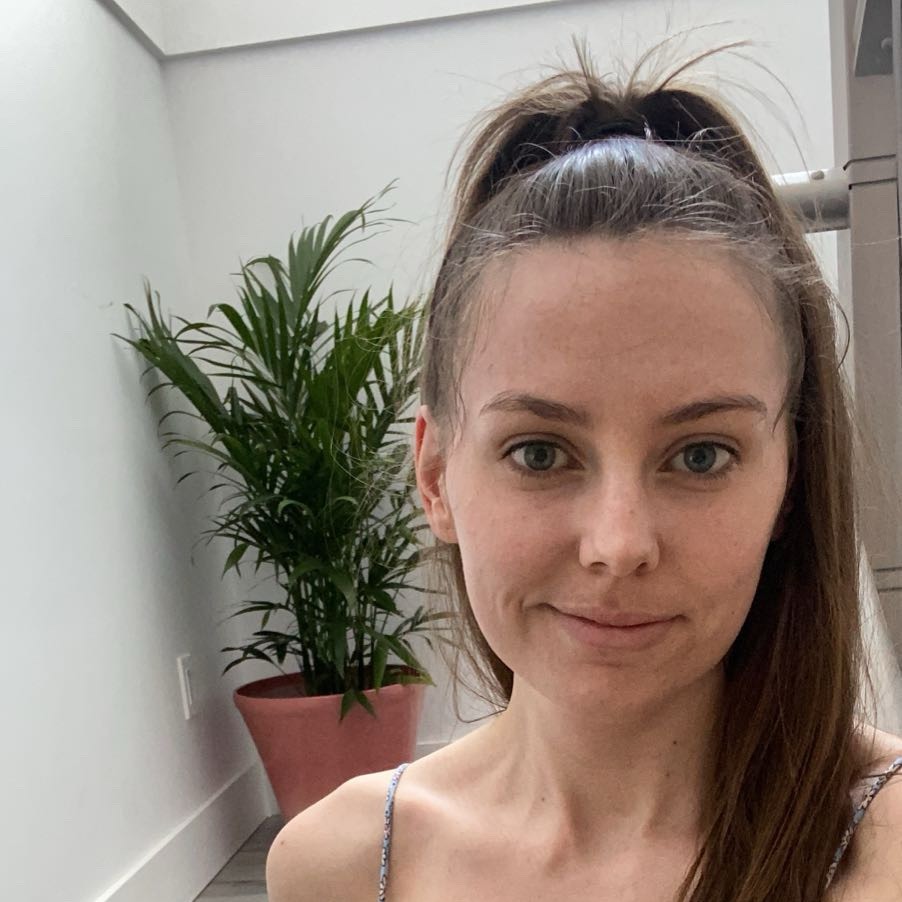
Zoe Crotty
Shine Ambassador
.png)