April 10, 2026

.png)
But I thought it was just depression!
Many people living with mental illness feel the need to hide their struggles and carry on behind a brave face. In this new blog, Shine Ambassador Marie Gilsenan shares her experience and why reaching out for support can make a difference.
Did you know that the way you experience depression can change over time? I didn’t, even though my depression was changing, albeit slowly, over nearly 10 years. Then, in 2020, it left its calling card loud and clear in a way I couldn’t ignore.
In January of that year, just before the start of the Covid lockdown, I was admitted to St Patricks’ psychiatric hospital.
For the first time in over 30 years of living with recurrent depression I felt I had no choice but to be admitted as I was experiencing a depressive episode unlike anything I had ever known before.
I was extremely anxious, panicked even; I was agitated; and my mind was racing. I just couldn’t calm myself down, I couldn’t rest or exercise, reading or listening to music didn’t help and I wouldn’t leave the house. I was completely overwhelmed.
I was very scared and confused because, even though I was completely aware of how I was feeling and thinking, I felt I had no control over it. I couldn’t understand what was happening as this wasn’t what a depressive episode usually felt like for me.
I’d originally been diagnosed at 17, a few months before my Leaving Cert. My teens were emotionally turbulent. Once however I reached my early to mid-twenties, things started to settle down. Yes, I continued to have depressive episodes, but they had a pattern to them, and I learned what to expect and how to navigate them better. I also had longer periods of wellness and got on with living my life - completing my degree, starting work, travelling, getting married and having a family.
Besides, even when I was depressed, I could function including studying, sitting exams, progressing in work. I wasn’t myself, but I became very good at making it look like I was, using academic and professional achievement as a front for my illness to hide behind.
Then in 2009, after a period of sustained stress, I suffered a severe episode, and something changed. I was very unwell and for someone who usually bounces back quickly, it took me months to fully recover. But something else had changed – my episodes now had an ‘edge’ to them. I was feeling anxious and there was a sense of unease which hadn’t been there before.
As the episodes returned that ‘edge’ sharpened over time. Alongside anxiety, I was also agitated, irritable and frustrated. Of course, I noticed these changes but like the proverbial frog put into a pot of cold water and slowly brought to the boil, I didn’t pay it much attention. I’d had so many episodes over so many years that as long as I could keep working with little or no time off and bounce back quickly, I was ‘fine’ and had everything under control.
Then in January 2020 the heat was turned up full under that frog and I finally realised the water was boiling!
Today I know the name for what I am living with: depression with mixed features. This means that when I get depressed, I also experience some symptoms of mania or hypomania (racing thoughts, agitation, restlessness etc). In simple terms, it’s highs and lows happening together, in the same episode with the highs being the ‘edge’ I had noticed and ignored for years.
Experiencing depression in this way has finally made me understand that our mental health is as precious as our physical health. Who would allow an infection to spread and go untreated knowing the consequences?
Yet many of us with mental illness learn to hide it for years and pretend everything is ok. We may be suffering and ill, but we keep pushing on, wearing a brave face. Behind the mask our mental health gets progressively worse over time, sometimes imperceptibly so, until the ‘water eventually boils over’.
I will probably never know if or by how much my depression changed because I put myself under such pressure to ‘just get on with it’, blaming myself for being ill whilst hiding how I felt to others and denying myself the support I really needed. But it certainly can’t have helped me!
For much of my life, I spent far too long letting the self-reproach of living with a mental illness shape my experience and it has cost me dearly. In the last few years, I have had to come to terms with what the progression of my illness means. I may now be on the wrong side of middle age but I finally appreciate how precious my mental health is and that good physical health is impossible without it.
If I want to live fully and stay as well as I can, I now recognise that I must care for both my mind and my body as best I am able. Old habits die hard and I don’t always get it right but at least now I understand and appreciate the true value of my mental health.
And with that understanding and appreciation I have found acceptance,
And acceptance brings hope.
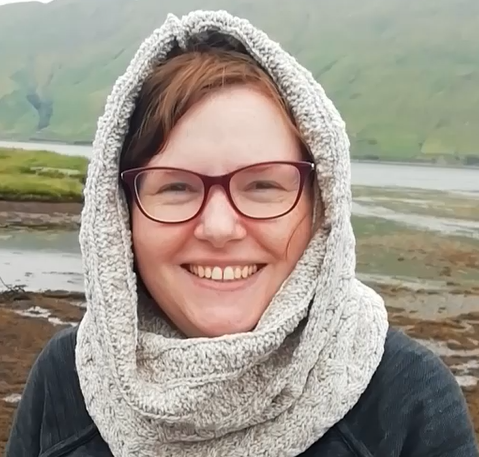
Marie Gilsenan
Shine Ambassador
.png)

%20(1).jpg)